
Blogs
Coconut Flour: 7 Powerful Facts About How It Is Made

Table of Contents
H2 7 Powerful Facts About Coconut Flour Production
Coconut Flour: What It Is and How It Is Made: coconut flour powerful
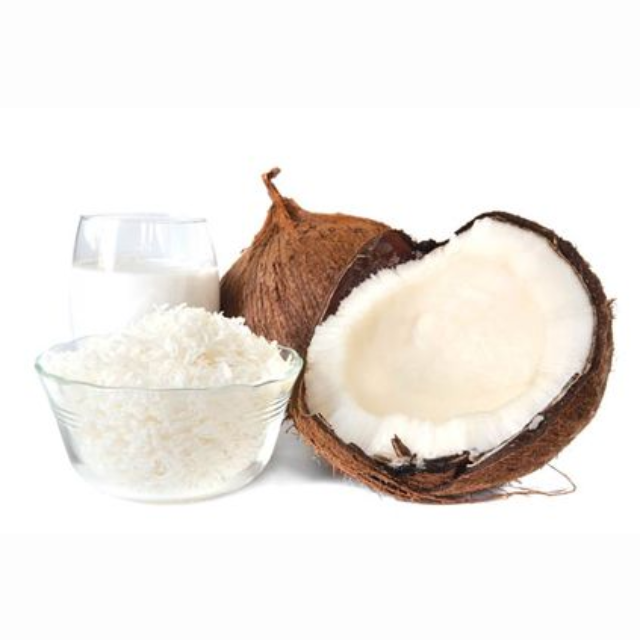
Coconut Flour is a finely milled ingredient produced from coconut meat after much of its moisture and oil have been removed. It has a mild coconut aroma, naturally contains dietary fiber, and is widely used in baking, food manufacturing, and gluten-free recipes.
H2 Sustainable Sourcing and Packaging Standards for Export
Unlike wheat flour, Coconut Flour has a distinctive structure that absorbs liquid efficiently. Understanding how it is made helps buyers, bakers, and food businesses choose a suitable grade and use it correctly.
How Is Coconut Flour Made?
The production process begins with mature coconuts. After the shells and outer husks are removed, the coconut meat is separated, cleaned, and prepared for processing.
Fresh coconut meat is commonly pressed to extract coconut milk or oil. The remaining coconut solids contain useful fiber and nutrients, making them a practical raw material for flour production.
The solids are then dried under controlled conditions. Proper drying is important because it reduces moisture, supports shelf stability, and helps create a texture that can be milled consistently.
Once sufficiently dry, the coconut material is ground into a fine powder. The flour may then be screened to achieve a more uniform particle size before being packed in moisture-resistant packaging.
What Makes Quality Flour?
Good Coconut Flour should have a clean appearance, pleasant aroma, consistent texture, and low moisture content. Commercial specifications can vary according to the intended application, so food manufacturers should review product documentation before placing large orders.
- Texture: Fine and reasonably uniform for consistent mixing.
- Color: Typically light cream to off-white, depending on processing.
- Aroma: Clean, mild, and characteristic of coconut.
- Packaging: Secure, food-grade, and designed to protect against moisture.
Processing conditions can influence color, flavor, particle size, and moisture. For commercial use, buyers should also consider food safety controls, traceability, certifications, and export documentation.
How to Use It
Because Coconut Flour absorbs more liquid than many conventional flours, recipes often require adjustments to the amount of flour and liquid used. It works well in pancakes, muffins, cookies, cakes, bread alternatives, snack products, and selected dry mixes.
For product developers, its fiber content and coconut character can add functional and sensory value. However, formulation trials are recommended because different grades and particle sizes can behave differently during mixing and baking.
- Gluten-free baking blends
- Protein bars and snack formulations
- Cookies, cakes, and muffins
- Dry food mixes and specialty bakery products
Choosing a Reliable Supplier
Businesses sourcing Coconut Flour should evaluate more than price alone. Check the origin, processing method, specifications, packaging options, minimum order quantities, and consistency of supply.
It is also useful to request a sample and technical documents before confirming a larger purchase. For background information about coconut and its uses, consult this trusted reference.
For sourcing support and product information, visit PT ANUGRAH BUANA and discuss your requirements with the export team.
Key Processing Factors to Understand
Several production decisions can affect the finished ingredient. Drying temperature, drying time, milling equipment, and screening methods may influence the final moisture level, particle size, color, and handling characteristics.
For food businesses, consistency is especially important. A stable specification helps production teams maintain predictable mixing, baking performance, packaging, and finished-product quality across different batches.
- Raw material: Mature, clean coconut meat supports dependable processing.
- Drying: Controlled conditions help manage moisture and stability.
- Milling: Appropriate equipment creates the desired particle size.
- Screening: Sieving can improve uniformity before packaging.
What Buyers Should Check Before Ordering
Wholesale buyers should ask for a clear product specification that covers ingredients, moisture, particle size, packaging, shelf life, and applicable quality requirements. Depending on the market, additional documents may include certificates of analysis, food safety records, or origin information.
Storage conditions matter after delivery as well. Keep sealed bags in a clean, dry environment away from excessive heat, humidity, strong odors, and direct sunlight to help preserve product quality.
In short, Coconut Flour is made by cleaning coconut meat, separating useful solids, drying them, and milling the dried material into flour. Knowing these steps makes it easier to assess quality and select the right product for retail, bakery, or industrial applications.
Direvisi oleh adminDG
